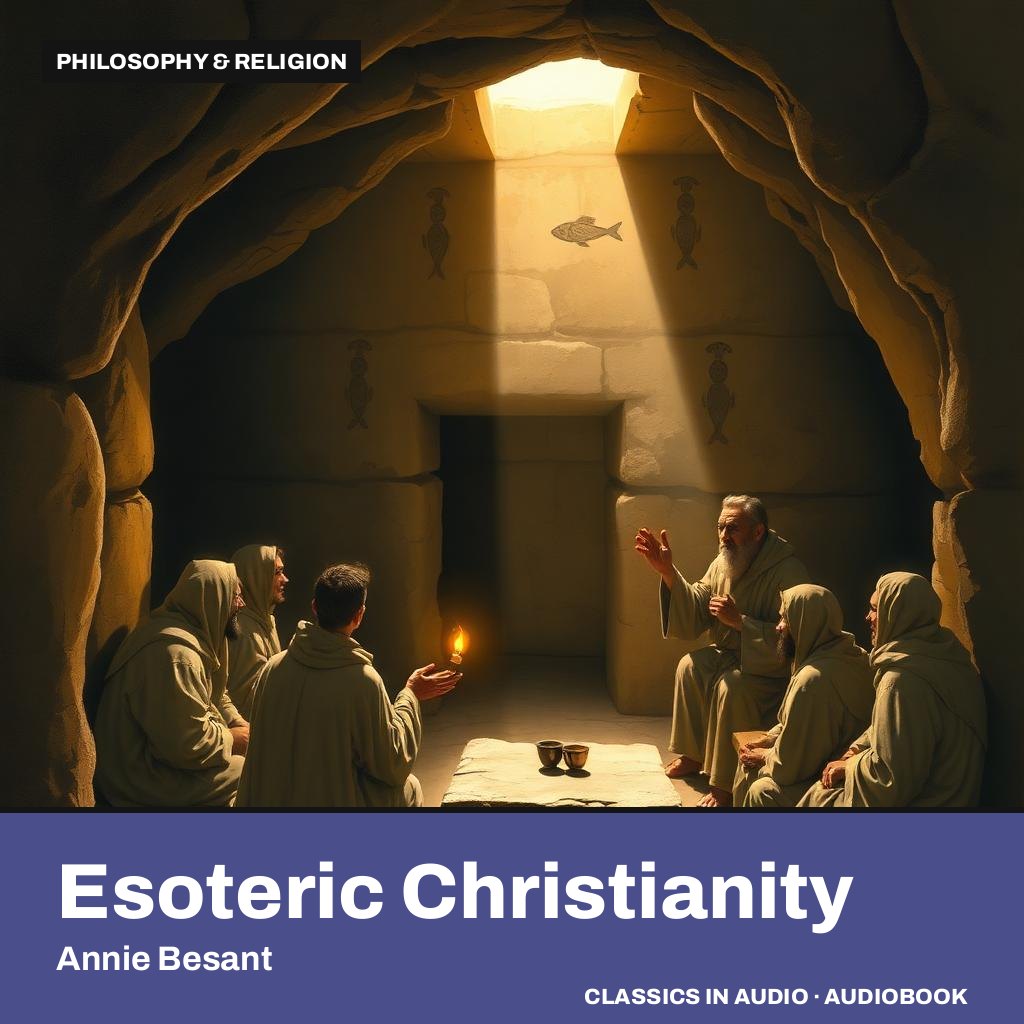
Esoteric Christianity
or The Lesser Mysteries
by Annie Besant (1847–1933)
Unabridged audiobook · about 6 hr 58 min · English · read by a synthetic voice · MP3, no DRM
€4.90
Buy 2 audiobooks or more: −10%. Buy 5 or more: −20%.
Secure payment by Stripe. Your download link is e-mailed to you at once: the first 30 minutes are usually ready within a few minutes, and the rest follows while you listen. Listen online or download the MP3.
Esoteric Christianity, first published in 1901, is a work of religious interpretation that argues Christianity once had a hidden side, a body of teaching reserved for those prepared to receive it. Annie Besant, an English social reformer and orator who became a leading figure in the Theosophical Society and later president of it, sets out to show that the early Church kept its own "Lesser Mysteries" much as other ancient faiths kept theirs.
The opening chapters draw on the Gospels, on Paul, and on early Christian writers such as Clement of Alexandria to make the case that secrecy and graded instruction were once ordinary Christian practice. From there the book turns to the central doctrines in turn: the historical Jesus, the mythic and mystic Christ, the Atonement, the Resurrection and Ascension, the Trinity, prayer, the forgiveness of sins, the sacraments and revelation. Each is read as a symbol of an inner spiritual process as well as a statement of belief.
The book belongs to the Theosophical movement of late Victorian and Edwardian Britain, when comparative religion and Eastern thought were reshaping debates about faith. Listeners curious about how that era reread Christianity, whether they find the argument persuasive or not, will find a clear and confident statement of it here.
Text: Project Gutenberg edition no. 26938, read without its licence notices.
More by Annie Besant
 Thought-FormsAnnie Besant1 hr 56 min€3.90
 Annie BesantAnnie Besant8 hr 55 min€4.90
 Occult ChemistryAnnie Besant3 hr 03 min€3.90
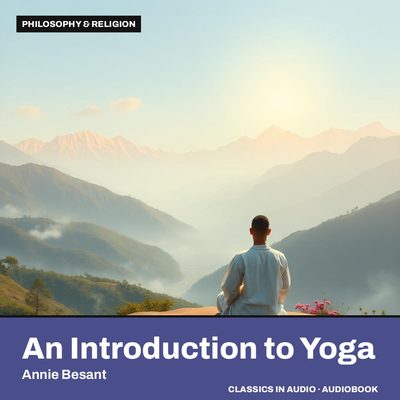 An Introduction to YogaAnnie Besant3 hr 04 min€3.90
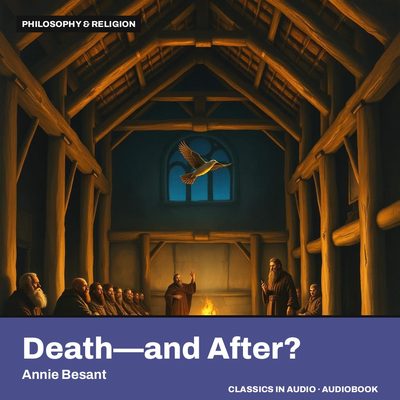 Death—and After?Annie Besant2 hr 17 min€3.90
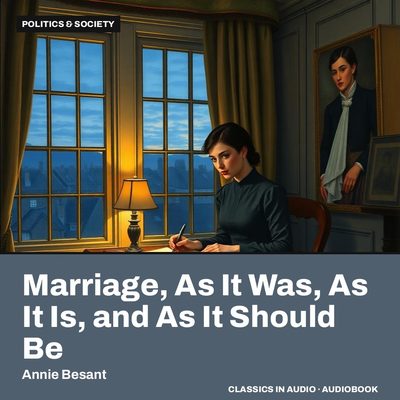 Marriage, As It Was, As It Is, and As It Should BeAnnie Besant2 hr 20 min€3.90





