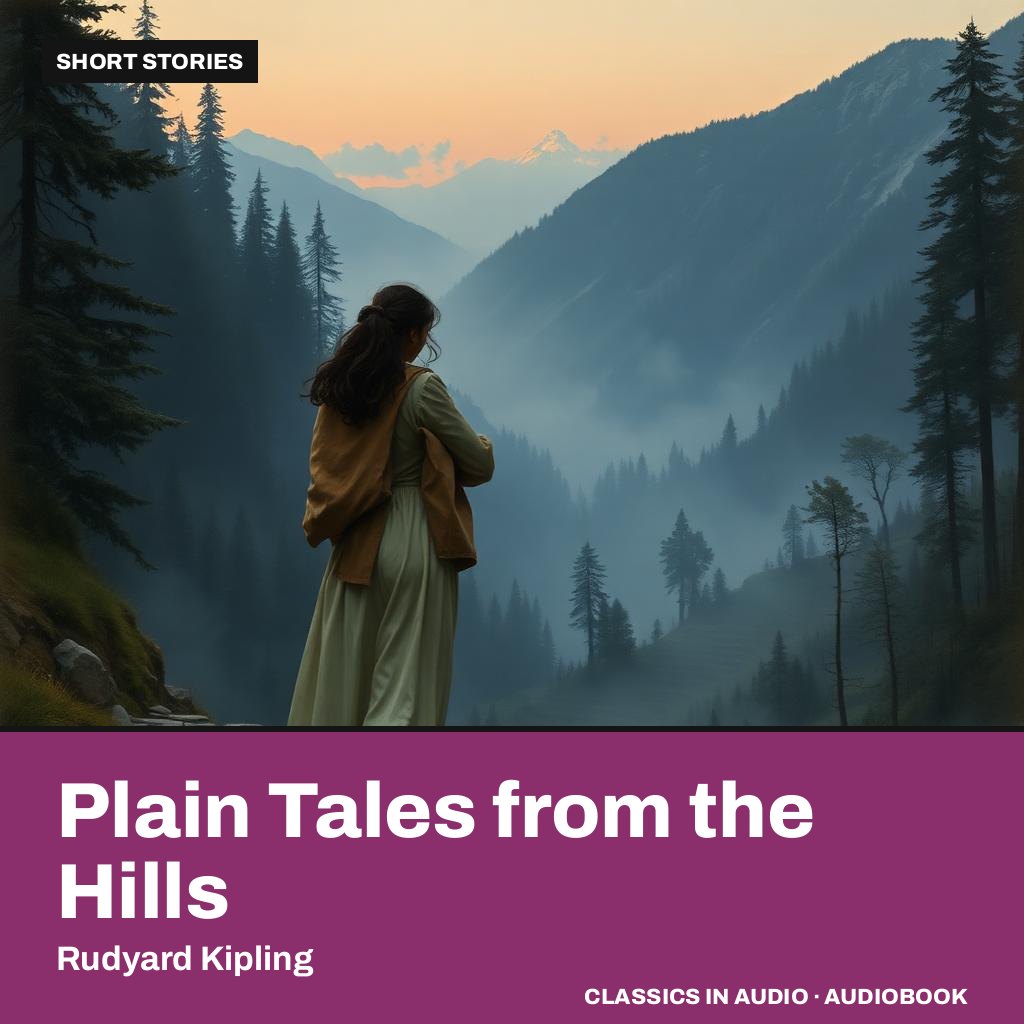
Plain Tales from the Hills
by Rudyard Kipling (1865–1936)
Unabridged audiobook · about 6 hr 34 min · English · read by a synthetic voice · MP3, no DRM
€4.90
Buy 2 audiobooks or more: −10%. Buy 5 or more: −20%.
Secure payment by Stripe. Your download link is e-mailed to you at once: the first 30 minutes are usually ready within a few minutes, and the rest follows while you listen. Listen online or download the MP3.
Plain Tales from the Hills is Rudyard Kipling's first major collection of short stories, set in British India in the last decades of the nineteenth century. The tales move between the hill station of Simla, where officials and their families escaped the summer heat of the plains, and the lower bazaars, barracks and mountain villages around it. Many are only a few pages long, and they deal in gossip, flirtation, scandal, small cruelties and sudden reversals.
The opening story, "Lispeth," follows a Hill-man's daughter raised at a mission after her parents die. Tall and strikingly beautiful, she lives in the household of the local Chaplain until the day she carries an injured young Englishman home and announces that she means to marry him. What follows tests the kindness of the people around her, and the story shows how little the colonial community understood those it claimed to look after. Elsewhere in the book you meet clerks, soldiers, wives and servants, drawn with a reporter's eye for detail.
Kipling was born in Bombay and wrote these pieces as a young journalist in Lahore and Allahabad, before he was twenty-five. In 1907 he became the first English-language writer to win the Nobel Prize in Literature. These stories remain worth hearing for their economy, their humour and their uneasy view of empire.
Text: Project Gutenberg edition no. 1858, read without its licence notices.
More by Rudyard Kipling
 The Jungle BookRudyard Kipling4 hr 38 min€3.90
 Just so StoriesRudyard Kipling2 hr 34 min€3.90
 KimRudyard Kipling9 hr 31 min€4.90
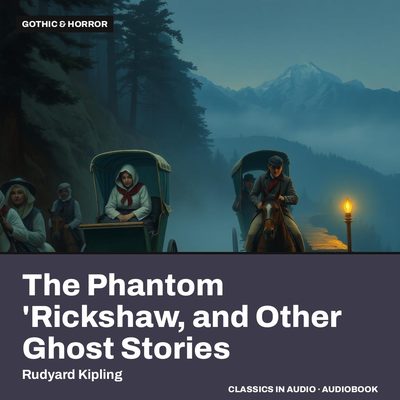 The Phantom 'Rickshaw, and Other Ghost StoriesRudyard Kipling4 hr 05 min€3.90
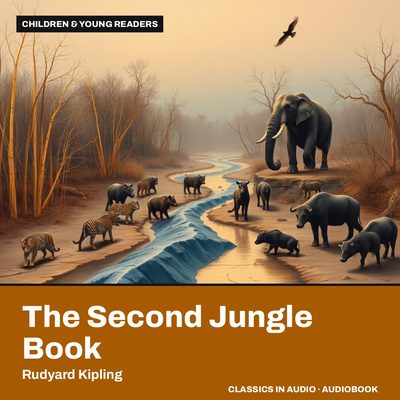 The Second Jungle BookRudyard Kipling5 hr 40 min€4.90
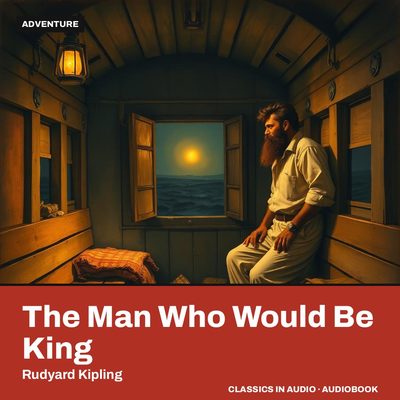 The Man Who Would Be KingRudyard Kipling1 hr 16 min€3.90
More short stories
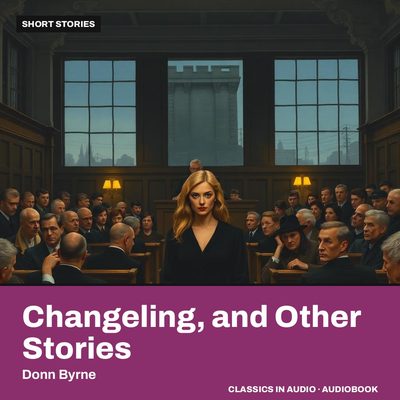 Changeling, and Other StoriesDonn Byrne8 hr 18 min€4.90
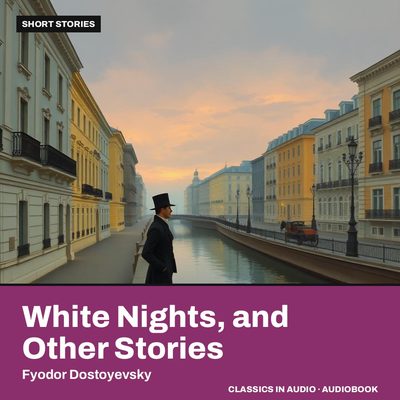 White Nights, and Other StoriesFyodor Dostoyevsky10 hr 40 min€5.90
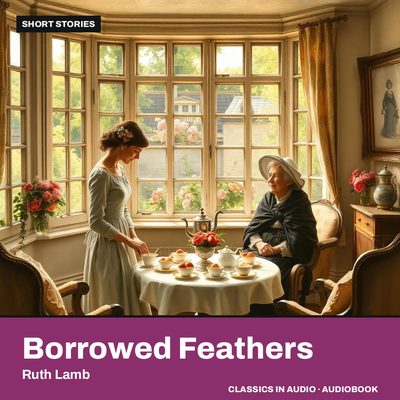 Borrowed FeathersRuth Lamb46 min€3.90
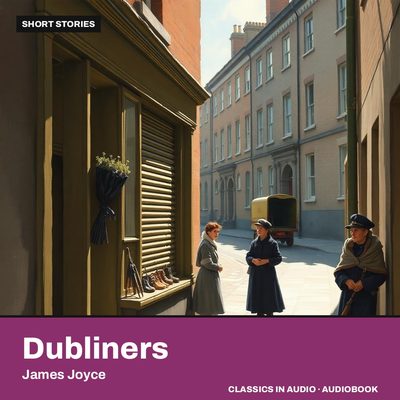 DublinersJames Joyce6 hr 05 min€4.90
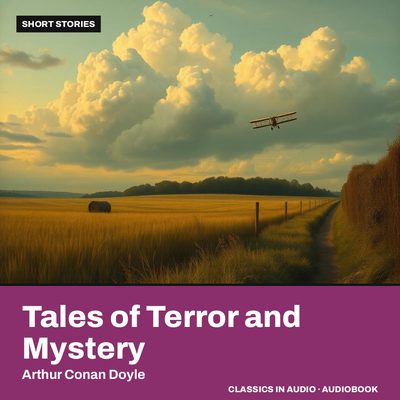 Tales of Terror and MysteryArthur Conan Doyle6 hr 43 min€4.90
 The Happy Prince, and Other TalesOscar Wilde1 hr 43 min€3.90