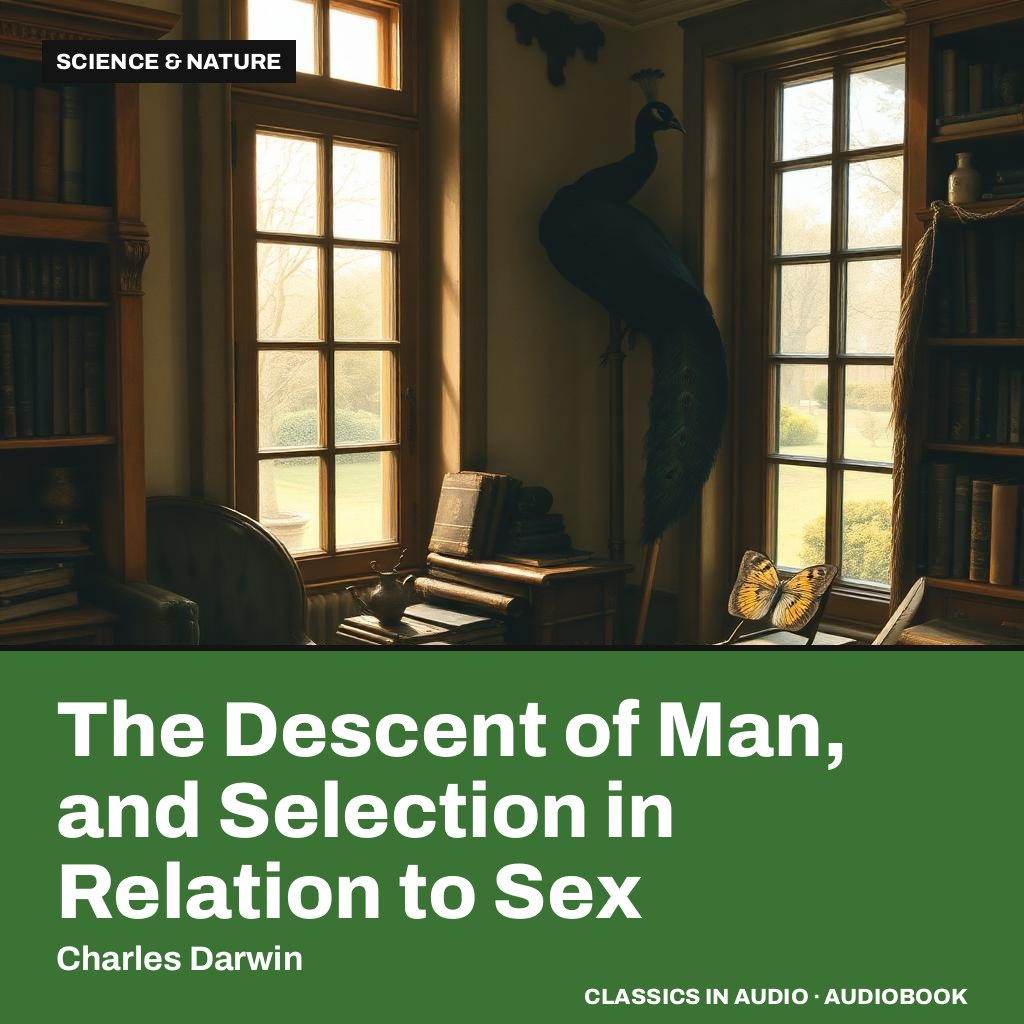
The Descent of Man, and Selection in Relation to Sex
by Charles Darwin (1809–1882)
Unabridged audiobook · about 30 hr 23 min · English · read by a synthetic voice · MP3, no DRM
€9.90
Buy 2 audiobooks or more: −10%. Buy 5 or more: −20%.
Secure payment by Stripe. Your download link is e-mailed to you at once: the first 30 minutes are usually ready within a few minutes, and the rest follows while you listen. Listen online or download the MP3.
Charles Darwin published The Descent of Man in 1871, twelve years after On the Origin of Species, and here he turns the argument on ourselves. The book has two connected aims. The first is to show, from anatomy, embryos, useless leftover organs and the behaviour of animals, that human beings share ancestry with other living creatures. The second is to propose that choosing mates, not only surviving, has shaped the living world.
That second idea, sexual selection, takes up most of the pages. Darwin asks why males of so many species carry showy plumage, horns, songs or bright colours, and he follows the question through insects, fish, reptiles, birds and mammals before arriving at the differences between men and women and between human populations. The evidence comes from breeders, naturalists, travellers and a wide circle of correspondents, and he gathers it with the patience of a man who kept pigeons and dissected barnacles. Some of his conclusions about people reflect Victorian assumptions and have not held up.
The book remains worth hearing as a record of how a major scientific argument was built, tested and defended. Darwin openly admits that some of his conclusions will probably prove wrong, and the debates he opened about mind, morality and beauty are still alive.
Text: Project Gutenberg edition no. 2300, read without its licence notices.
More by Charles Darwin
 On the Origin of Species By Means of Natural SelectionCharles Darwin15 hr 22 min€6.90
 The Origin of Species by Means of Natural SelectionCharles Darwin20 hr 41 min€7.90
 The Voyage of the BeagleCharles Darwin19 hr 29 min€6.90
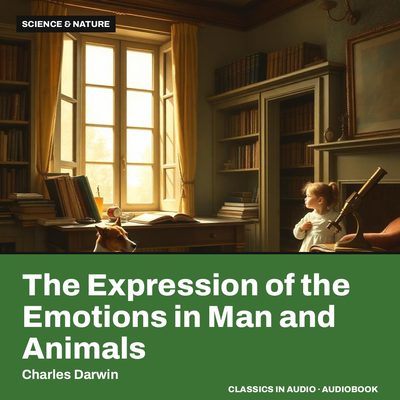 The Expression of the Emotions in Man and AnimalsCharles Darwin10 hr 35 min€5.90
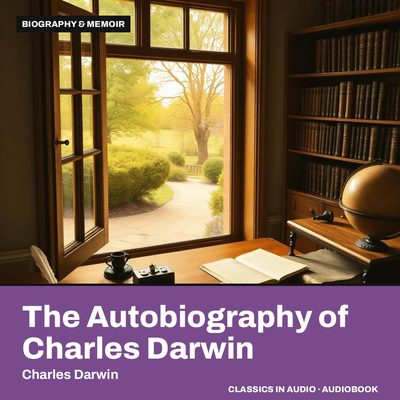 The Autobiography of Charles DarwinCharles Darwin2 hr 05 min€3.90
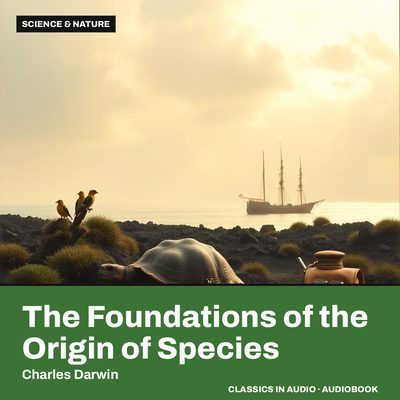 The Foundations of the Origin of SpeciesCharles Darwin8 hr 52 min€4.90
More science & nature
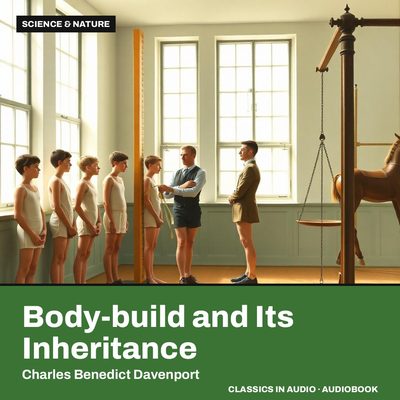 Body-build and Its InheritanceCharles Benedict Davenport7 hr 56 min€4.90
 The Interpretation of DreamsSigmund Freud20 hr 00 min€6.90
 Novum OrganumFrancis Bacon8 hr 50 min€4.90
 The Magic of Jewels and CharmsGeorge Frederick Kunz13 hr 31 min€5.90
 A General Introduction to PsychoanalysisSigmund Freud15 hr 24 min€6.90
 Three Contributions to the Theory of SexSigmund Freud4 hr 19 min€3.90